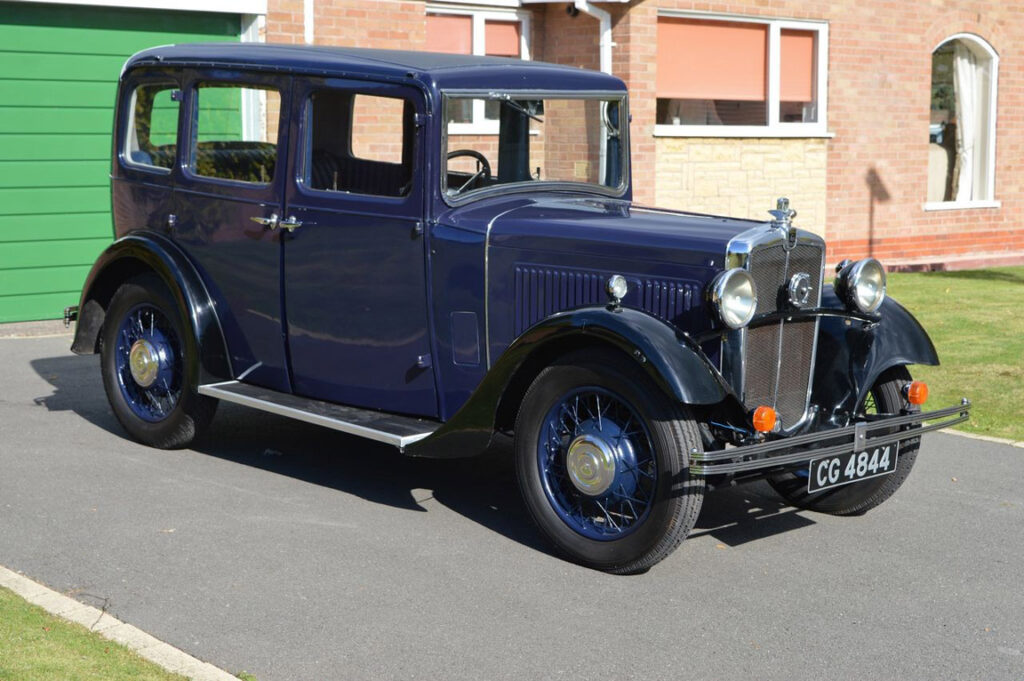
William Morris established Morris Motors Ltd in Cowley in 1919 and by 1924 was the UK’s biggest car manufacturer, producing 2,000 vehicles per week.
He had diversified his business interests by founding or acquiring subsidiary companies that produced engines, bodywork and other components. Morris Commercials built trucks and taxi cabs while firms such as MG, Wolseley and Riley became part of the organisation as well. His small-to-medium vehicle ranges would, however, prove to be the most lucrative.
Morris Motors entered the small-car market in 1928; first with the Morris Minor and then the Morris 8 in 1934. Alongside these, the ten-horsepower class took a large slice of the UK market with Austin, Morris, Ford, Vauxhall and Hillman all selling similar products head-to-head.
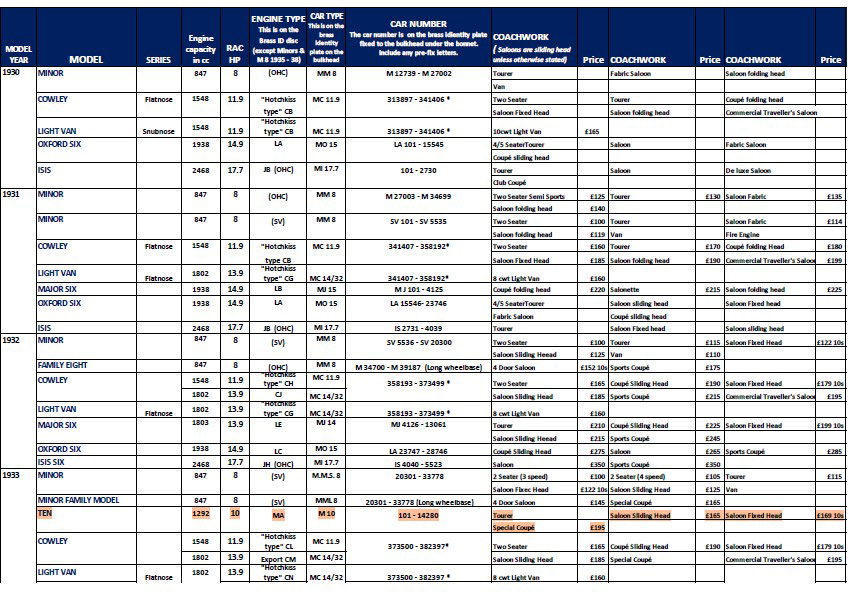
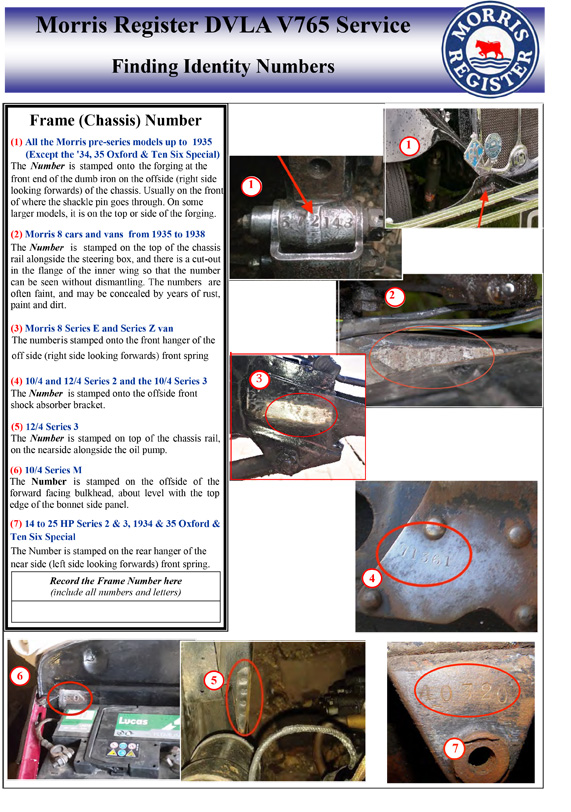
These early *RAC, or licensing, horsepower ratings may originally have had something to do with actual power outputs, or even cubic capacities, but humans always find loopholes if not specifically forbidden from doing something sneaky. It wasn’t long, therefore, until manufacturers took to enlarging engine capacities, and increasing power, by the simple expedient of lengthening piston stroke. Result: a more desirable engine at the existing RAC, or taxable, horsepower rating. “Nobody said we couldn’t, did they?”
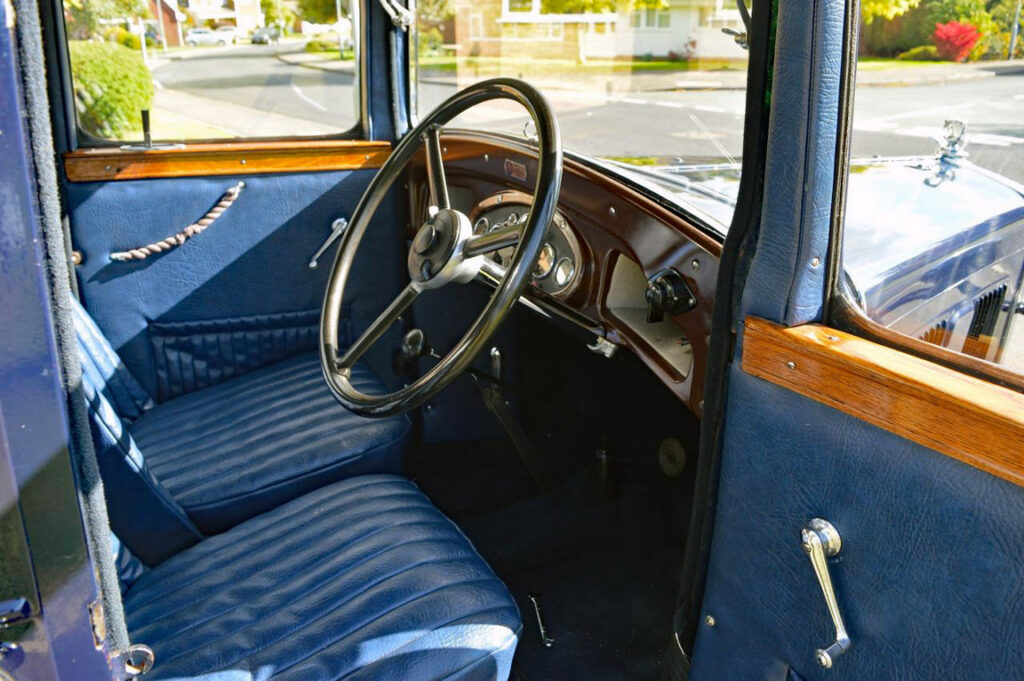
The Morris 10 was introduced in 1933 and proved to be very successful. Built on a conventional ladder chassis, it was fitted with a side valve, 1,292cc, four-cylinder engine using a single SU carburettor and producing 24 bhp. The gearbox was originally four-speed but an overdrive was fitted later. Lockheed, hydraulically operated, drum brakes were fitted.
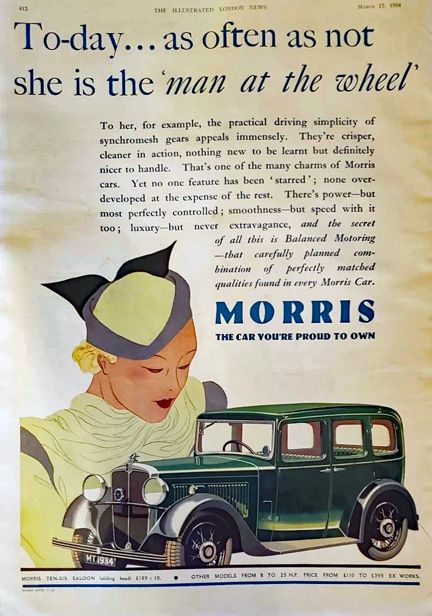
Body styles at launch were a fixed-head saloon priced at £169-10-0, a sliding-head version at £165-0-0 and a two-door Special Coupé for £195-0-0. A four-door tourer joined the range that December and was followed, in 1934, by a Traveller’s Saloon and a two-seater with dickey.
The summer of 1933 heralded the introduction of a 12 hp, six-cylinder, model labelled Morris 10/6 so, to avoid confusion, the four-cylinder car was renamed 10/4. A total of 49,238 Morris 10s and 10/4s were built before being replaced by the revised Morris 10 Series II in 1935.
Morris Ten continued through a number of variants until October 1948 when, together with Morrises Twelve and Fourteen, it was replaced by the 13.5 hp Morris Oxford MO.
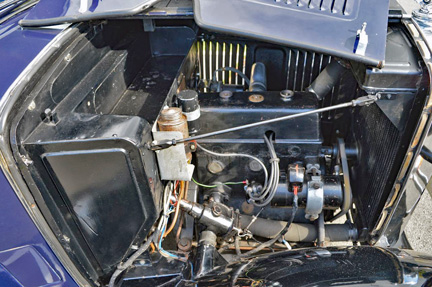
Early models had a centre accelerator pedal and large sidelamps on the wings, the propeller shaft had Cardan (Rag joint) disc couplings made from leather. After 1933 the accelerator pedal was moved to the right of the cluster in line with modern convention. One source claimed that wheels became 18-inch, “Easy Clean,” at that time but your scribe hasn’t found confirming evidence of this.
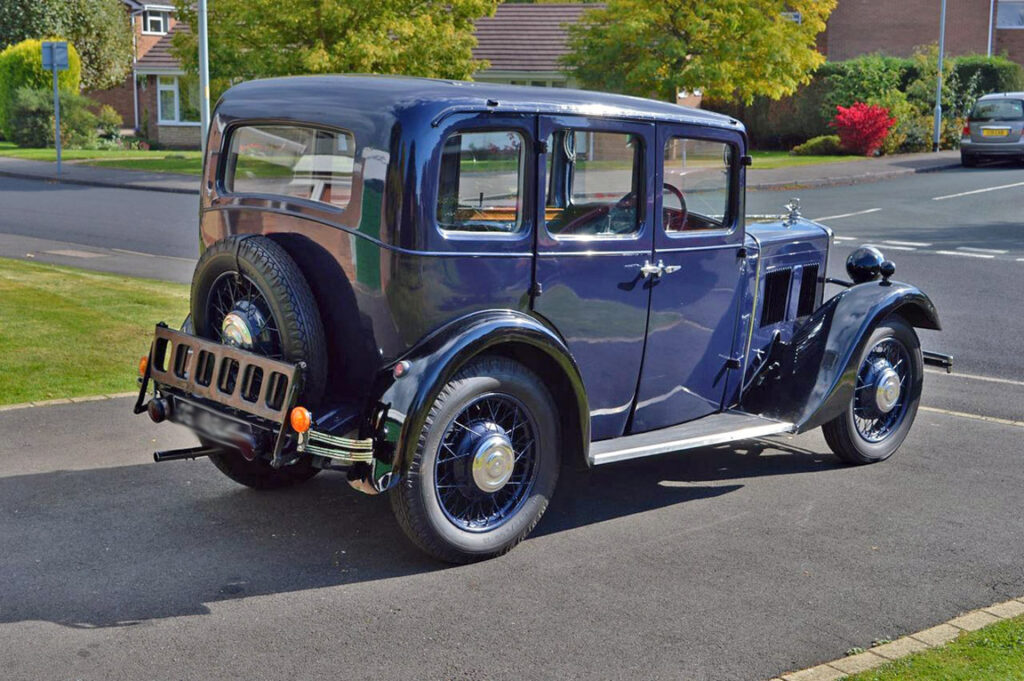
The numbers
Engine: Morris 1292 cc, four-cylinder side-valve, two valves per cylinder, naturally aspirated
Electrical supply: Twelve-volt dynamo
Ignition: Coil type
Bore x Stroke, inches: 2.5 x 4.0 ( 63.5 x 102.0 mm)
*RAC horsepower formula: Piston diameter in inches, squared, times number of cylinders, divided by 2.5 (Therefore 2.5 x 2.5 x 4 ÷ 2.5) = 10 horsepower
Crankshaft: Three main bearings; white metal
Compression Ratio: 6.5:1
Chassis: Double box-section
Power: 24 bhp @ 3200 rpm, increasing to 27.5 bhp @ 3400 rpm in April 1934
Fuel: Petrol, via single SU carburettor
Layout: Longitudinal front-mounted engine; rear-wheel drive
Clutch: Wet, cork plate
Transmission: Four-speed manual; with overdrive from 1934
Gear ratios: 3.97/2.25/1.47/1.00
Final drive ratio: 4.70:1
Maximum speed: 65.2 mph
Acceleration: 0-50mph, 33.0 secs
Overall fuel consumption: 35.0 mpg
Steering: Bishop cam
Suspension: Semi-elliptic leaf springs front and rear. Hydraulic shock absorbers
Brakes: Lockheed hydraulic; 11-inch drums front and rear
Wheels: 19-inch Magna type, wire spokes. See text.
Tyres: 4.50/19 crossply
Fuel tank: 6.5 gallons Imperial (29.5 litres)
Measurements, length/wheelbase/width/height in inches: 147/96/62/64
Track, front/rear: 48 inches
Turning circle: 37.0 feet
Kerb weight: 19.5 cwt (991 kg)
Production run: 1932 to 1935
Views: 23
Leave a Reply